Novels in the Next Seat: The Hyde Park Commuters Who Wrote Their Way Downtown
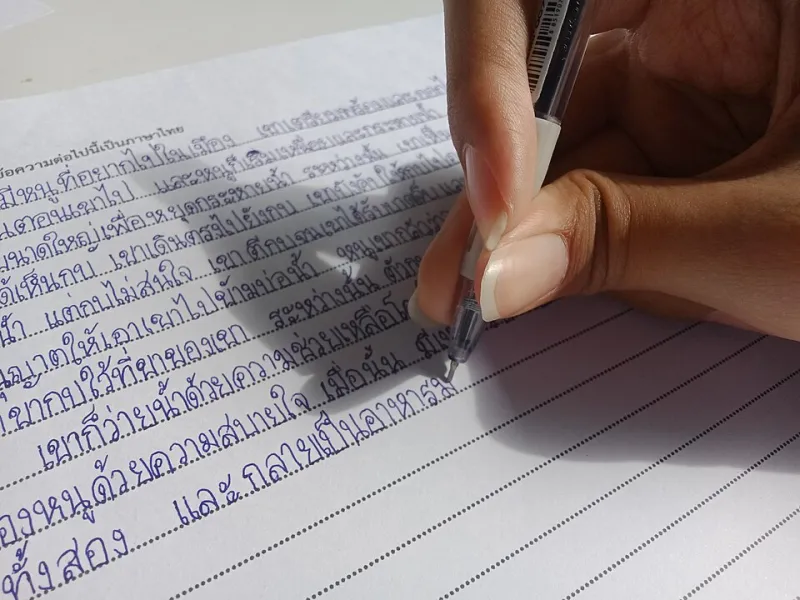
Photo: Jiafei Slay Queen, CC0, via Wikimedia Commons
The Six O'Clock Study
The Number 6 doesn't look like a writers' retreat. It looks like a bus — squeaky, occasionally late, always crowded around the holidays. But for a certain breed of Hyde Park commuter, the ride downtown was the most productive hour of the day.
The Mailman Who Wrote a Novel
Elijah Boone retired from the postal service in 2011 after thirty-four years. What his coworkers didn't know was that every morning, notebook open on his knee, he was writing a novel.
"People thought I was doing crossword puzzles," he says. "I let them think it. It was private."
The novel — a sprawling story about three generations of a South Side family — took eleven years and nine notebooks. It was never published. Boone says that was never the point. "The bus gave me the one hour where nobody needed anything from me. You can't buy that kind of quiet."
His wife finally had the notebooks bound. They sit on the living room shelf, a finished thing, complete.
Letters to Her Mother, Every Morning at the Same Window
Ruth Callahan, a retired high school English teacher, took a different approach to the same hour. For six years after her mother died, she wrote her a letter every morning on the ride in — always from the third window seat on the right, always by hand.
"Grief needs a container," she says. "Mine had a seat number."
Some letters were three lines. Some ran four pages. She wrote about her students, her garden, the way the lake looked in February. When she finished the last letter — she stopped on the sixth anniversary, deliberately — she read them all in one afternoon and cried in a way she says she'd been saving up.
Why the Bus Worked
There's a theory among the commuter writers: the motion helps. The low hum of the engine, the scenery scrolling past, the gentle obligation to stay put. No internet, no doorbell, no dishes. Just a body in a seat with a pen.
Psychologists call it a "transitional space" — the in-between time that belongs to no one. The commuters of the Number 6 figured that out decades before anyone put a term on it.
The Tradition Continues
Look around the bus today and you'll still see them — fewer pens, more thumbs on phones, but the instinct is the same. A young man drafting what appears to be lyrics. A woman typing steadily, eyes on nothing outside the glass.
The route changed numbers once. The schedules changed more times than anyone can count. But the deal stayed the same: give the ride an hour, and the ride gives you back a piece of yourself you didn't know was missing.